
What Is Shilajit? A Complete Guide to the Himalayas’ Purest Resin
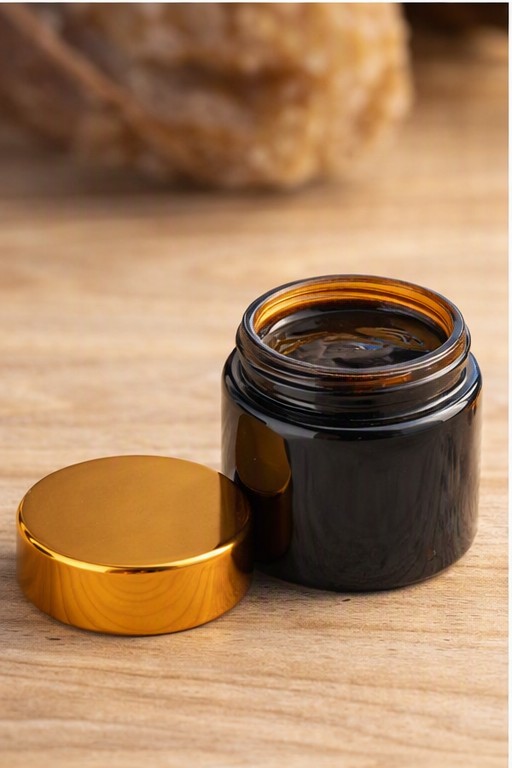
🏔️ Shilajit — known as salajit across Pakistan and Central Asia — is a natural, tar-like resin that seeps from cracks in high-altitude mountain rocks, including the Himalayas and the Karakoram ranges of Baltistan. Formed over centuries from slowly decomposed plant matter, it’s prized in traditional wellness for being one of the most mineral- and antioxidant-rich substances found in nature. If you’ve been wondering “what is shilajit?” — this guide covers exactly what it is, what’s inside it, how it’s traditionally used, and how to make sure the salajit you buy is genuinely pure. ✨
🔑 Key takeaways
- Shilajit (salajit) is a natural resin from high mountain rock — not a manufactured supplement.
- Its power comes mainly from fulvic acid, minerals and antioxidant compounds.
- It has been used for centuries in traditional wellness as a rejuvenating tonic.
- Resin is the purest form; Aftabi (sun-processed) resin preserves its natural compounds.
- Purity is everything — always choose lab-testable salajit. 🧪
🏔️ What exactly is shilajit?
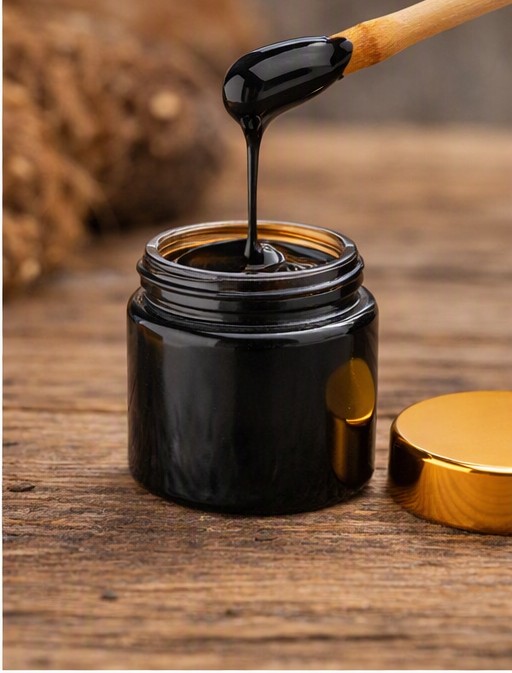
Shilajit is a sticky, blackish-brown resin that oozes from rock layers in mountainous regions during warm weather. It isn’t made in a factory — it’s collected by hand, then carefully purified. Over many centuries, microbial action slowly breaks down plant and organic material trapped in the rock, concentrating it into the dense, mineral-loaded substance we know as shilajit. The finest grades come from high altitudes where the air is clean and the source is undisturbed — which is why Himalayan and Baltistan shilajit is so sought after.
🧪 What’s inside shilajit?
Shilajit’s reputation comes from its unusually rich makeup:
- 💧 Fulvic acid — the star compound. These tiny, water-soluble molecules are known for their antioxidant properties and their role in helping the body absorb and carry nutrients.
- 🌱 Humic substances — related organic compounds formed during the same natural breakdown process.
- 🛡️ Dibenzo-α-pyrones — plant-derived antioxidant compounds studied for their bioactive role.
- ⛏️ Trace minerals — a broad spectrum of minerals in a natural, plant-derived form.
- 🧬 Amino acids, fatty acids & polyphenols — additional organic building blocks.
It’s this combination — especially fulvic acid working alongside the minerals — that gives shilajit its long-standing place in traditional wellness.
📜 How shilajit has traditionally been used
Shilajit has a long history in Ayurvedic tradition, where it’s classed as a rasayana — a rejuvenating tonic. Ancient texts such as the Charaka Samhita and Sushruta Samhita reference it for supporting strength, stamina and vitality. Across the mountain communities of South and Central Asia, salajit has been valued for generations as a natural source of everyday energy and vigour.
💬 An honest note: while shilajit is widely used traditionally and is the subject of growing scientific interest, modern research is still developing. So rather than promising specific medical outcomes, it’s fairest to say salajit is traditionally used to support energy and vitality — a natural, mineral-rich wellness tonic.
🫙 The forms of shilajit — and why resin is the gold standard
You’ll find shilajit sold as resin, powder, or capsules. Resin is generally considered the purest, most natural form because it’s the least processed. Powders and capsules are more convenient but are a step further from the raw material — and easier to dilute with fillers.
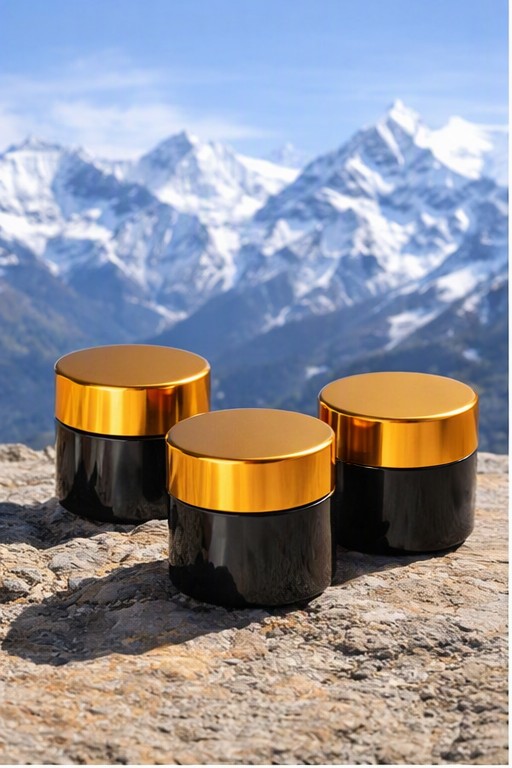
There’s also a difference in how the resin is prepared. Our Himalayan Aftabi Salajit is sun-processed (“Aftabi”) — gently purified using the sun rather than harsh heat, which helps preserve its natural compounds. It comes from the pristine valleys of Baltistan and is backed by our purity guarantee. ⛰️
🥄 How is shilajit used?
The traditional way to take resin shilajit is simple: dissolve a small portion — usually a rice-grain to pea-sized amount, or as directed on the product — into warm (not boiling) water or milk, and drink it. Because pure shilajit is potent and earthy, a little goes a long way. Always follow the dosage guidance on the product and start small. 🍵
✅ How to know your shilajit is pure
Purity is everything with shilajit, because low-quality or unpurified products can contain contaminants. A few quick signs of authentic resin:
- 🤲 It’s pliable and sticky — softening with the warmth of your hands and stretching, rather than snapping like a dry powder.
- 🌀 It dissolves cleanly in warm water, turning it golden to reddish-brown, with no gritty sediment.
- 👃 It has a distinct earthy, smoky aroma.
- 🔬 It comes with third-party lab testing for purity and heavy metals.
👉 Be wary of anything claiming “95%+ purity” — that’s often a red flag for synthetic additives. We break this down fully in our upcoming guide, Real vs Fake Shilajit.
⚠️ Is shilajit safe? For most healthy adults, purified shilajit is generally well tolerated in the recommended amount. But please note:
- 🚫 Pregnant or breastfeeding women should avoid it (insufficient safety data).
- 🩺 People with autoimmune conditions, gout, or on medication should speak to a healthcare provider first.
- 🧪 Only ever use purified, lab-tested shilajit — the main safety risk comes from contaminants in raw products, not shilajit itself.
This article is for general information and isn’t medical advice.
⛰️ Why Baltistan shilajit stands apart
Not all shilajit is equal — quality depends heavily on where and how it’s sourced. The high, clean valleys of Baltistan produce some of the world’s most prized resin. At Himalayan Panjeeri, our Aftabi Salajit is collected from these mountains, sun-processed to protect its natural compounds, and lab-testable for purity — with a full refund if it’s ever proven impure. 💚
🏔️ Experience genuinely pure Himalayan resin
Sun-processed Aftabi Salajit from the valleys of Baltistan — pure, potent, and purity-guaranteed.
❓ Frequently asked questions
What is shilajit made of?
Mainly fulvic acid and humic substances, along with dibenzo-α-pyrones, a broad range of trace minerals, amino acids and polyphenols — all formed by the slow natural breakdown of plant matter in mountain rock.
Is salajit the same as shilajit?
Yes. “Salajit” is the name commonly used in Pakistan and the surrounding region for the same Himalayan resin known globally as “shilajit”.
What does “Aftabi” shilajit mean?
“Aftabi” means sun-processed. The resin is purified gently using the sun rather than harsh heat, which helps preserve its natural compounds.
How do I take shilajit resin?
Dissolve a small amount (per the product’s dosage guidance) in warm water or milk and drink it. Start with a small portion.
Who should not take shilajit?
Pregnant or breastfeeding women, and anyone with autoimmune conditions, gout, or on medication, should avoid it or consult a healthcare provider first.