
Real vs Fake Shilajit: 6 Simple Ways to Spot Pure Salajit
🔍 Shilajit’s booming popularity has a downside: the market is flooded with fakes. Because pure salajit is rare and collected by hand from high mountains, cheaper imitations — made from clay, ash, gum, or synthetic fulvic acid — are everywhere. The good news? With a few simple checks you can tell real vs fake shilajit before you spend a rupee (or a dollar). Here’s exactly how. ✅
🔑 Key takeaways
- Pure resin is pliable and sticky, dissolves cleanly in warm water, and smells earthy & smoky.
- Fakes crumble, leave gritty sediment, or smell of nothing.
- 🚩 “95%+ purity” claims are a red flag, not a badge of quality.
- Always insist on third-party lab testing for purity and heavy metals.
⚠️ Why purity matters so much
The real safety risk with shilajit isn’t the resin itself — it’s contaminants in impure products: heavy metals, fillers, or synthetic additives. That’s why sourcing and lab testing matter more than any marketing claim. Pure, properly purified salajit is what you want. 🧪
📊 Real vs fake shilajit at a glance
| Test | ✅ Pure shilajit | ❌ Fake / impure |
|---|---|---|
| Texture | Pliable & sticky; softens in your hands, stretches like warm tar | Hard and crumbly, or oddly smooth & rubbery |
| Water test | Dissolves slowly & completely; golden to reddish-brown, no sediment | Leaves gritty sediment or floating bits; cloudy |
| Smell & taste | Strong earthy, smoky, mineral aroma; intense bitter-earthy taste | Little to no smell; chemical or overly sweet taste |
| Flame test | Bubbles & turns to white ash — does not catch fire | Burns like plastic, or ignites easily |
| Purity claim | Honest, modest figures + lab report | “95%+ pure” or “100% fulvic acid” 🚩 |
| Proof | Third-party lab test for purity & heavy metals | No testing, vague origin |
🤲 Test 1: The texture test
At cool room temperature, pure resin should be firm. Roll a little between your fingers — your body heat should make it soft, pliable and slightly sticky, like warm tar. If it stays rock-hard and crumbles into powder, or feels like a smooth rubbery blob, be suspicious.
🌀 Test 2: The water dissolve test
Stir a small amount into warm (not boiling) water. Genuine salajit dissolves slowly and completely over a few minutes, turning the water a rich golden to reddish-brown — with no gritty sediment and no floating particles. Fakes often leave residue at the bottom or refuse to fully dissolve.
👃 Test 3: The smell & taste test
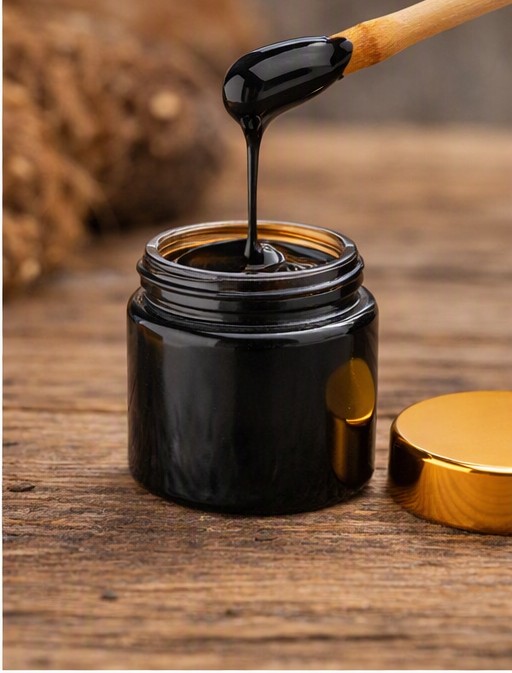
Authentic shilajit has a powerful, unmistakable earthy, smoky, mineral aroma — think resin, damp earth and stone. The taste is intense and bitter-earthy. If your salajit smells of nothing, or tastes chemical or sweet, it’s likely cut with fillers.
🔥 Test 4: The flame test
Hold a small piece near a flame. Pure resin will bubble and expand, then turn to a white ash — but it won’t catch fire. If it burns like plastic or lights up easily, it isn’t pure. (Do this carefully, and only with a tiny amount.)
🚩 The biggest red flag: sky-high purity claims
It sounds backwards, but “95%+ purity” or “100% fulvic acid” claims usually signal a fake. Natural shilajit contains a balanced mix of fulvic acid, minerals and organic compounds — not an ultra-concentrated single ingredient. Those inflated numbers typically mean false labelling or a product spiked with fertilizer-grade synthetic fulvic acid. Trust honest figures backed by a lab report, not hype.
🧾 The one check that beats them all: lab testing
Home tests are useful, but the gold standard is a third-party lab report confirming purity and safe heavy-metal levels. Reputable sellers share this openly and are transparent about exactly where their shilajit comes from.
✅ Skip the guesswork — choose guaranteed-pure salajit
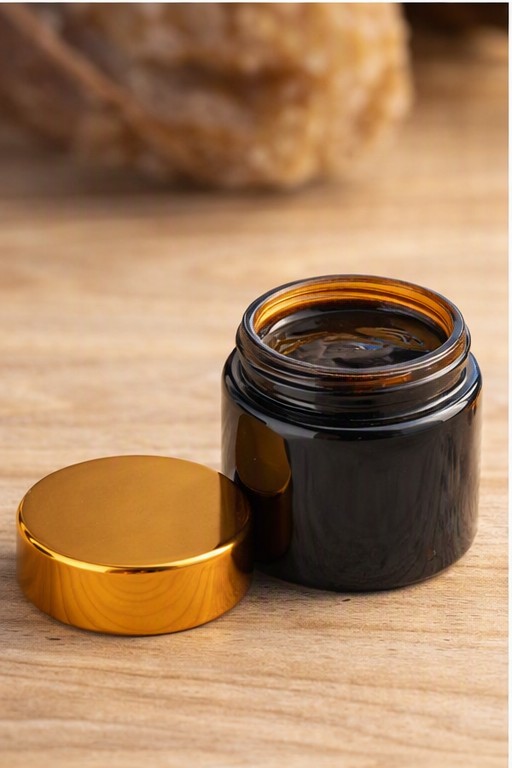
Our sun-processed Aftabi Salajit is sourced from the valleys of Baltistan and is lab-testable, with a full refund if ever proven impure.
❓ Frequently asked questions
What is the easiest way to test shilajit at home?
The water dissolve test. Stir a small amount into warm water — pure salajit dissolves completely into a golden-brown liquid with no gritty sediment.
Does pure shilajit dissolve fully in water?
Yes. Genuine resin dissolves slowly but completely, leaving no particles or sediment behind.
Is “95% purity” shilajit good?
No — it’s usually a warning sign. Natural shilajit is a balanced mix of compounds, so extreme purity claims often indicate synthetic additives or false labelling.
Why is lab testing important?
Because the main risk with shilajit is contaminants like heavy metals in impure products. A third-party lab report confirms the resin is both pure and safe.